

How To Organize Your Life In One Week
Find balance and feel less stuck in life with the help of this guide on how to organize your life in one week.

Did you wake up and realize that your life is completely off track? Are you tired of the chaos of everyday life? Do you want to feel in control and find calm amidst this madness?
We all strive to achieve a state of clarity in our lives, allowing us to FOCUS on what truly matters instead of getting sidetracked by trivial distractions. Keeping your life organized is essential for achieving that calmness and balance.
On the contrary, being disorganized can hold you back in life, making it hard to reach your goals.
The space surrounding you is a direct reflection of your inner state. Living in a chaotic and messy environment can feel overwhelming.
Many struggle to manage their time and stay organized regularly, increasing stress and frustration.
For some, staying organized can feel like a juggling act, leading to a delay in getting started because you're unsure where to begin.
When your inbox is cluttered and tasks pile up, meeting deadlines becomes an everyday struggle, and your space is a complete mess, getting everything sorted out can feel like a HUGE task.
Moreover, organizing your life involves more than just cleaning your closet or kitchen; it is also about maintaining mental clarity by building systems that align with your lifestyle.
With some effort and organization, you can restore peace to your life.
Understanding the significance of organization is the first step in taking control of your life.
So, if your life feels out of control, fret not! Today, I will take you on an inspiring journey to create a more organized and fulfilling life.
Below is the ultimate guide that will teach you how to organize your life in just one week.
How To Organize Your Life In One Week
Further, I have categorized this guide into 11 categories to cover all the essential aspects of your life. Take your time, and you will make progress.
1. Focus on Self-Growth

Build Routines
Maintaining a daily routine will help you structure your day better and boost your efficiency. It is the key to a balanced life.
Also, make sure when you create your daily routine, it aligns with your lifestyle.
Start with a solid morning routine to set a positive tone for the day. It will mentally prepare you to tackle the challenges of the day ahead.
Furthermore, getting quality sleep is crucial for recovering your body and performing your best throughout the day. As a result, make it a priority and stick to a healthy sleep schedule.
Develop New Habits
Establish good habits that support your goals and contribute to an organized life.
The best way to form habits is to –
consciously REPLACE your old, toxic habits or
STACK them alongside your existing habits.
Here are some examples of simple daily habits to consider –
Wake Up Earlier: To start your day early and make the best of your time.
Plan Ahead: The night before, create a to-do list for the next day.
Prepare Your Outfit: Set out clothes for the next day to avoid the stress of decision-making in the morning.
Optimizing Your Approach to Daily Activities: Maintaining a consistent order for day-to-day activities can enhance productivity. For example, when I wake up in the morning – I make my bed, drink water, brush my teeth, and shower in the same sequence daily; this helps establish a natural rhythm.
Check out these blog posts to develop good habits and create more personalized routines.
2. Create a Personal Development Plan

Set Goals
Creating a personal development plan starts with identifying your life goals.
Setting realistic and actionable goals provides your life with a clear direction. However, overly ambitious or unrealistic goals might lead to frustration and demotivation.
So, make sure you're setting practical goals, both personal and professional.
If you need more inspiration, check out this ultimate list of goals to set.
Plan and Organize Your Life
Planning is essential for a more organized life.
Create a big-picture plan to guide you toward your dream life.
Once you have a clear vision of your long-term and short-term goals, break down your big goals into smaller, achievable tasks.
Assign deadlines to these tasks and begin to schedule them in your planner.
Doing a monthly reset and weekly reset significantly helps me stay more organized and aligned with my long-term goals.
Set Priorities
It is necessary to understand what is important and urgent.
Whether focusing on a short-term goal or working towards a long-term aspiration, understanding your priorities can make a significant difference.
After you break down your goals, setting priorities will help you plan your tasks more effectively.
Create To-Do Lists (for everything!)
Keeping lists of everything will free your brain from the burden of remembering trivial details.
Reflect and Review
As you work towards your dream life, it is equally important to take the time to reflect, review, and thoughtfully update your plans.
Organizing your life isn’t a one-time event; it requires ongoing effort. Checking in with yourself helps ensure that you're progressing and taking steps in the right direction.
This process involves reviewing what you've accomplished during the week, finding areas for improvement, and changing your approach if needed when things don’t go as planned.
3. Get Organized at Work

Build Productive Habits
Productive habits help you work more efficiently and stay organized at work. Here are some habits to consider:
Use One Planner for Everything
A planner is the ultimate tool for systematically organizing your life. Using one planner for all your notes and schedules helps to eliminate confusion.
Choose a planner that suits your unique planning style and needs. I prefer weekly planners with monthly pages and some extra space for flexibility.
Plan Your Week Ahead
To manage your busy life effectively, always plan both monthly and weekly in advance.
Setting up a monthly schedule provides an overview of what to expect, which can help you develop a more detailed weekly plan. This way, you can make smarter decisions while prioritizing tasks, resulting in a more organized and less stressful experience.
Use the Time Blocking Method
Incorporating time blocking into your daily schedule can significantly improve your productivity. This method involves setting aside specific blocks of time for particular tasks or activities so that each task on your to-do list receives the attention it deserves.
Start by determining how long it usually takes you to finish various tasks.
Additionally, to prevent burnout and maintain a balanced workflow, include short breaks throughout your day.
Prioritize Your Tasks
Prioritize your tasks based on importance and deadlines.
Evaluate what needs to be done and allocate time for each task throughout your day.
By focusing on a limited number of tasks, you can complete them more efficiently.
Automate, Outsource, and Delegate Whenever Possible
Attempting to accomplish too much in one day can cause burnout. We all have the same 24 hours, but how we utilize them matters.
Learn to delegate tasks, outsource responsibilities, and automate repetitive tasks. This will help you save time, allowing you to focus on other important aspects of your life.
Establish a Work Routine and Create Systems
Building systems to organize your work life is a simple way to stay productive.
Start by developing a routine that helps you work efficiently and commit to it.
Additionally, adopting habits such as setting clear deadlines, avoiding multitasking, reducing distractions, and eliminating procrastination can greatly enhance your productivity at work.
4. Declutter and Organize Your Workspace
Keep Your Workspace Neat
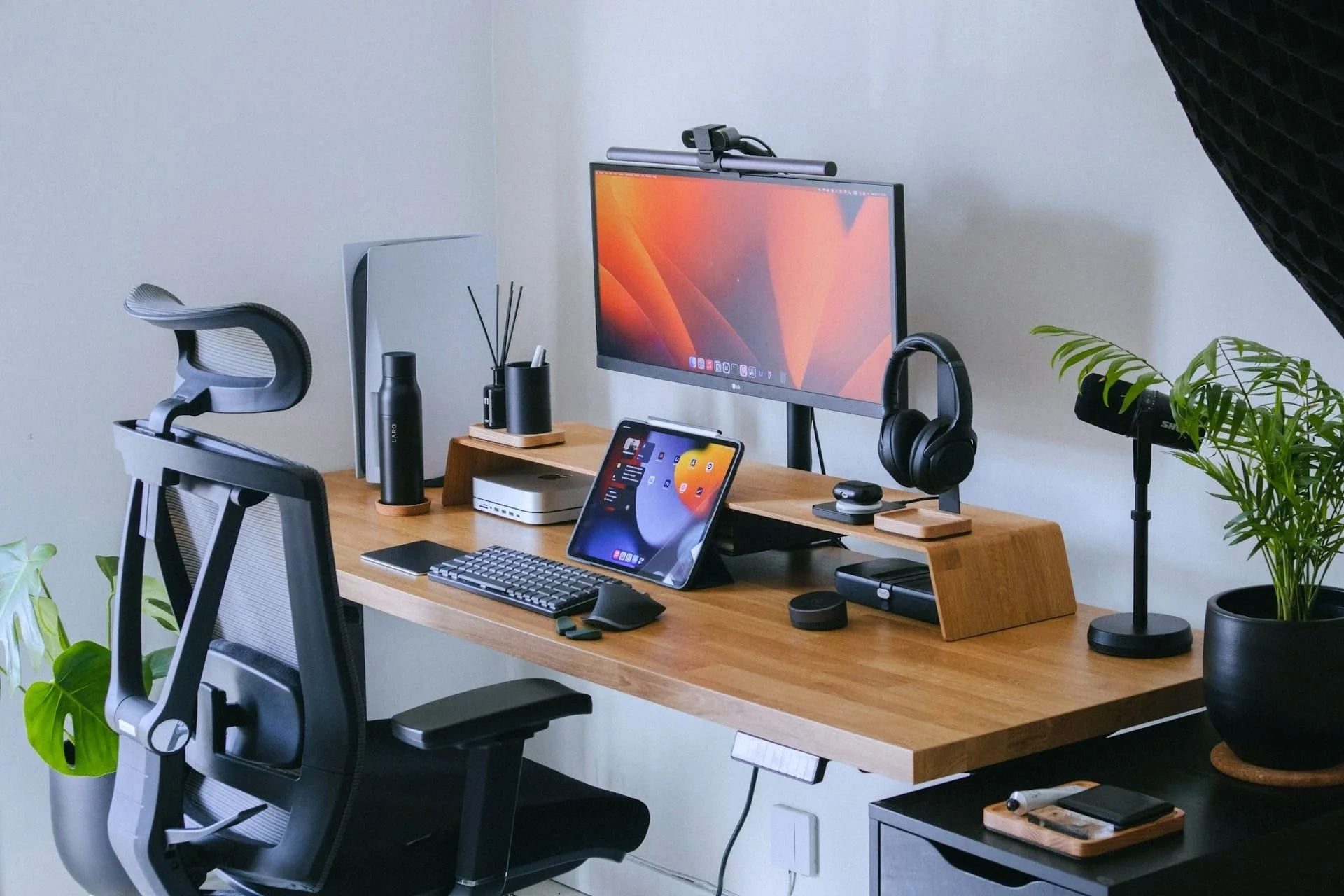
A messy desk cluttered with papers, coffee cups, and random items can cause mental distraction.
Clean your desk daily by organizing unused files and throwing trash away. Once you start working in a clutter-free space, you'll notice how much more relaxed and focused you feel while completing your tasks.
Give Everything a Home
Provide dedicated spaces for your stationery, notepads, and other desk accessories.
Consider getting a storage unit or utilizing small multipurpose organizers to manage your workspace effectively.
Keep Work-Life Balance
You may enjoy your job, but it is essential to rest and recharge. Finding a balance between work and personal life is crucial for staying productive and happy in the long run.
RELATED POST: How to Improve Work-Life Balance
5. Organize Your Home
Declutter and Simplify
When organizing your home, keep in mind that less is more.
Start decluttering by sorting your items into categories. Then, choose what to keep and what to get rid of.
Be patient and realistic; changes won’t happen overnight. Ultimately, a less cluttered home will give you a sense of accomplishment and motivate you to tackle other tasks necessary for organizing your life.
Create a Cleaning Schedule
Select a specific day to clean your home, and create a rough cleaning plan to follow through.
To avoid feeling overwhelmed, break down your tasks into smaller parts. Tackle one zone at a time and complete it before moving on to the next.
Start Organizing
Make a to-do list and start organizing your home, focusing on one room at a time.
A key rule of home organization is to assign a place for everything, including the small things like your journal, water bottle, keys, etc.
Also, use appropriate home organizers wherever necessary.
Drawer dividers are effective for keeping drawers tidy.
Use glass jars and labeled containers to organize your pantry.
Storing food in transparent containers in the fridge will simplify access.
Do Your Laundry
Don’t save all your laundry for Sunday. Wash it whenever you have some free time during the week.
Organize Your Closet
Sort through your clothing, neatly fold, and arrange them aesthetically.
6. Meal Planning and Prepping

Grocery Shopping
Choose one day each week to shop for groceries for the next 5-7 days.
Always keep an updated shopping list to avoid forgetting anything important and don’t go shopping without it.
Plan and Prepare Your Meals Ahead
You make healthier food choices when you plan your meals ahead.
So, Take charge of what you eat by meal prepping. It involves preparing a large amount of food in advance to keep in the fridge. This will prevent the stress of cooking multiple times and help you avoid unhealthy options.
7. Health and Wellness

Focus on Exercise, Sleep, and Nutrition
Exercise: Regular exercise provides both mental and physical health benefits.
Choose the type of workout that feels right for you instead of following the latest trends. Make a commitment by scheduling your workouts on your calendar.
To enhance your fitness journey, set clear goals and track your progress.
RELATED POST: 14 Daily Physical Activity Examples To Stay Active
Sleep: A good night's sleep is your chance to repair your body so that you wake up feeling refreshed and ready to take on the challenges of the day ahead.
Aim for approximately 8 hours of sleep each night, and try to go to bed and wake up at the same time every day to establish a consistent routine.
Nutrition: Eating healthy boosts your energy levels and overall well-being.
Fill your diet with nutritious options, targeting 80% healthy foods while allowing for a few occasional treats. This approach will help you maintain a balanced diet and support your long-term health goals.
Monitor Your Health
Keeping a record of what you eat can be very beneficial. This practice allows you to become more intentional and mindful about your eating habits, which can lead to healthier food choices.
Also, don't forget to track your menstrual cycles, ladies. This practice helps you understand your body, manage mood swings, identify patterns in your cycle, and avoid monthly surprises. You can use a mobile app or note the dates on your calendar.
Meditate
Like your life and home, your mind also needs organization. Meditation is an effective way to clear mental clutter and sort through your thoughts and feelings.
8. Relaxation and Recreation

Schedule Your Free Time
As you work diligently to create systems that organize different aspects of your life, you must set aside some me-time for yourself. Use this time to relax and recharge.
Make a Habit of Journaling
A calming activity like journaling before bed helps organize thoughts and clears the mind for sleep.
Enjoy Leisure Time
Life is unpredictable, so stop overloading your calendar with non-stop plans. Make it a priority to leave buffer time in your daily schedule for flexibility and spontaneity.
Keep Bucket Lists
Ever spent valuable minutes of your free time searching for some enjoyable activities to do? Keeping a list can help you find new interests and activities quickly.
You can create multiple bucket lists for all your diverse interests, such as a seasonal bucket list, watchlist, reading list, places to eat, hobbies to try, birthday plans, travel destinations, and more.
9. Organize Your Finances

Set Financial Goals
Goals help steer your money in the right direction.
So, set clear financial goals that reflect your aspirations. This might mean saving for a fun trip, paying off debt, or creating a solid investment plan.
Master Budgeting
If your finances are not in order, you are more likely to feel stressed and disorganized in various aspects of your life.
Learn to manage your money better by creating a budget for better financial stability.
Plan Your Cash Flow
Start by tracking your monthly spending. You can easily record your daily expenses in a notebook, create a spreadsheet, or use budgeting apps to help you.
This practice will help you understand where your money is going, preventing you from losing track of it.
Automate Your Finances
Another way to save time and effort is to set up automatic payments for your bills and expenses (like rent, utilities, or subscriptions).
Create a Savings Plan
Set up a savings plan to feel more organized and secure your future.
Live Below Your Income
Organizing your life is not enough if you continue making poor financial choices. Therefore, always plan ahead, have a budget, and spend less than you earn to avoid financial stress.
10. Enhance Your Social Life

Evaluate Your Relationships
When you assess your current relationships, you gain valuable insight into the people who truly matter and impact your life.
Recognizing these connections will allow you to focus on those that bring positivity to your life.
Get Rid of Toxic Relationships
After evaluating your connections, it's time to let go of relationships that harm your well-being and mental health.
Make Time for Social Activities
No matter how busy you get, make it a point to find time for spontaneous outings with loved ones.
To maintain your precious relationships, plan small gatherings to connect with people you care about instead of waiting for plans to happen on their own.
11. Digital Life

Last but not least. In this fast-paced world, maintaining a tidy digital space has become more important (than ever). So, let’s discuss how to organize your digital life.
Simplify Your Digital Life
Your inbox should only hold important messages, not junk. Clean up by sorting and deleting unnecessary emails.
Unsubscribe from the newsletters that you don’t read anymore.
Organize your emails into folders to improve efficiency.
Tidy up your photo gallery by removing unwanted images and duplicates to free up storage on your phone.
Social media can waste your time, so evaluate the accounts you follow. Unfollow accounts that don’t add value to your life.
Close any unused social media or email accounts.
Organize Your Digital Life
Digital clutter takes up valuable space on your phone and computer. So, use a Storage Cloud for your files, documents, and photos.
Regularly clean out your computer folders to keep them organized, making access easier.
Lastly, remember to back up your data on an external hard drive.
I hope this post on how to organize your life in one week helps you get back on track and achieve your goals.
Save it for later
Did you find this post helpful? Save this image to Pinterest so you can access it at any time!





How do you effectively get your life in order? Follow this simple guide.